





Date:
January 16, 2026
Author:
Ian R. Cohen
/
Founder & Principal Attorney
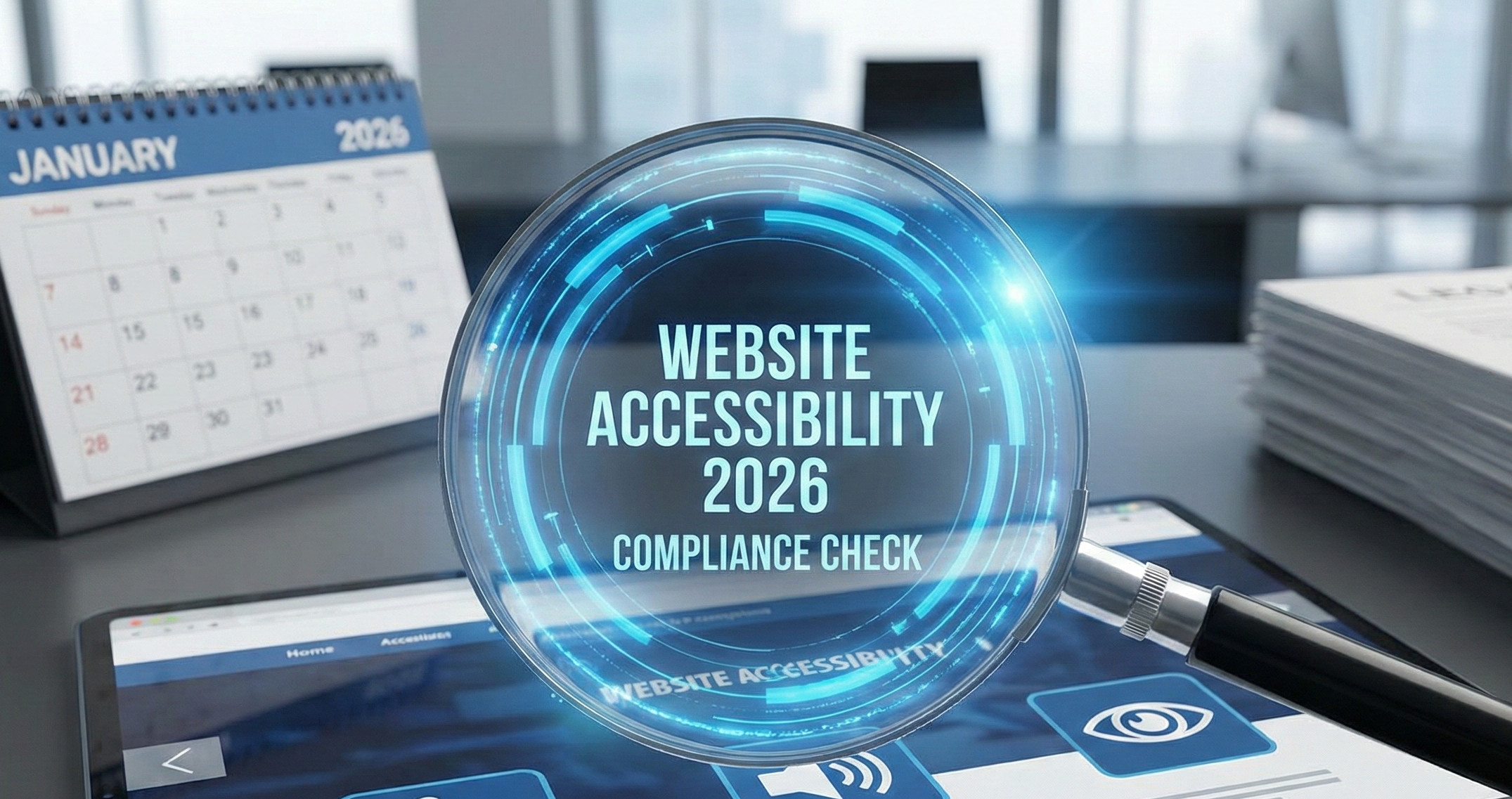
2026 ADA Website Compliance: Why AI Bots Are Triggering a Surge In Lawsuits
Your website was probably scanned dozens of times last month by AI bots looking for ADA violations. You probably didn't notice, but plaintiff's law firms did.
Five yeras ago, many businesses viewed website accessibility, ensuring sites are usable by people with disabilities, as a flucturating targer. Today, the target is fixed, the laws are hardened, and the consequences of missing hte mark are devastating.
If your website or mobile app is not compliant with the current ADA accessibility standards (WCAG 2.2 or emerging iterations of 3.0), you are not just alienating nearly 20% of your customer base; you are walking through a legal lightning storm holding a metal rod.
Here is the reality of ADA website accessibility in 2026, the industrialied nature of litigation threats, and how your business can avoid being targeted.
ADA Website Laws in 2026: Legal Requirements Are Now Clear
In the early 2020s, there was ambiguity. The Department of Justice wavered on official codification, and circuit courts were sometimes divided. By 2026, that fog has largely lifted. Through accumulating case law and increased regulatory clarity, the consensus is undeniable: websites and mobile applications are considered "places of public accommodation" under the ADA (Americans with Disabilities Act) and similar international laws.
The standard of care is higher. Merely having an "accessibility widget" or overlay (once seen as a quick fix) is now widely recognized by courts as insufficient, and often counterproductive, to genuine usability.
How AI Bots Are Targeting Non-Compliant Websites
The most significant shift in the last few years hasn't been in the law itself, but in the mechanics of enforcement.
Gone are the days of a single plaintiff stumbling across a barrier and filing a complaint. Today, plaintiff's firms operate with the efficiency of tech startups. They have industrialized the ADA website lawsuits.
The AI Dragnet. In 2026, plaintiff firms are utilizing sophisticated AI-driven crawlers. These bots scan tens of thousands of websites daily, specifically looking for common WCAG failures: missing alt text on images, poor color contrast, lack of keyboard navigation support, and unlabeled form fields.
When AI bots identify a vulnerability, they automatically generate a templated ADA demand letter. A firm can send out hundreds of these letters a week. They don't need to target you specifically; you just need to be caught in their wide-cast digital net of AI bots.
The "Serial Filer" Economy. This automation has fueled an economy of serial litigation. Firms now have portfolios of plaintiffs, systematically filing hundreds of lawsuits against businesses of all sizes: from Fortune 500 giants to mid-sized e-commerce players. They know that for most businesses, the cost of defense is far higher than the cost of a quick settlement, creating a churn-and-burn settlement industry.
3 Devastating Costs of ADA Non-Compliance
If you receive one of these demand letters in 2026 (or an ADA lawsuit complaint), the impact goes beyond a simple fine.
1. Financial Hemorrhaging. Settlements for ADA website compliance have increased. While early 2020s settlements often hovered in the low five figures, 2026 precedents have pushed these numbers higher, reflecting the established nature of the law. Furthermore, you are on the hook for your own legal fees and typically the plaintiff’s legal fees.
2. Operational Disruption. A website accessibility lawsuit or structured settlement often comes with a court-mandated timeline for remediation. You will be forced to divert engineering and design resources immediately to fix your site under duress, often at a premium cost, rather than as part of a planned roadmap.
3. Reputational Toxicity. We live in an era of extreme social transparency. Consumer activism is at an all-time high. Being publicly branded as a company that excludes people with disabilities is toxic. News of an ADA lawsuit spreads instantly across social platforms, alienating customers and potential partners who prioritize inclusivity.
Your 2026 ADA Compliance Checklist
If you are relying on hope or an outdated plugin to protect you, you are exposed. Protection in 2026 requires a proactive, multi-layered approach.
1. Abandon the "Quick Fix" Mentality. Stop relying solely on automated overlays. Courts are increasingly skeptical of them, and plaintiff firms know exactly how to bypass them to find underlying code violations.
2. Conduct a Hybrid Audit. Automated scanning tools are essential for catching low-hanging fruit, but they only catch about 30-40% of accessibility issues. In 2026, defensible compliance requires manual auditing by human experts, preferably including individuals living with disabilities, to test user flows and genuine usability.
3. Remediation at the Source Code. ADA website accessibility must be baked into your development lifecycle. Your design and engineering teams need to understand WCAG principles so that new features are born compliant.
4. The Mandatory Accessibility Statement. Your site must have a clear, easily found Accessibility Statement. This details your commitment to inclusion, the standards you adhere to (WCAG 2.2 compliance), and, crucially, provides a mechanism for users to report barriers they encounter so you can fix them before they become lawsuits.
The Urgency of Now
The digital dragnet is active right now. Your website is being scanned by entities looking for a reason to sue you. The question is no longer if your business will face scrutiny, but when.
You need more than just technical advice; you need strategic legal counsel that understands the intersection of technology, compliance, and litigation defense in this new era.
Secure Your Digital Future with IRC Legal
Don't wait until the demand letter arrives. The costs of reaction are vastly higher than the costs of proaction.
At IRC Legal, we specialize in navigating the complex landscape of digital accessibility in 2026. We help businesses move from vulnerability to defensible compliance. We provide the strategic counsel needed to audit your risks, guide genuine remediation, and fortify your organization against the industrialized plaintiff bar.
Stop gambling with your digital presence. Contact IRC Legal today for a confidential consultation and ensure your business is open to everyone and closed to lawsuits.